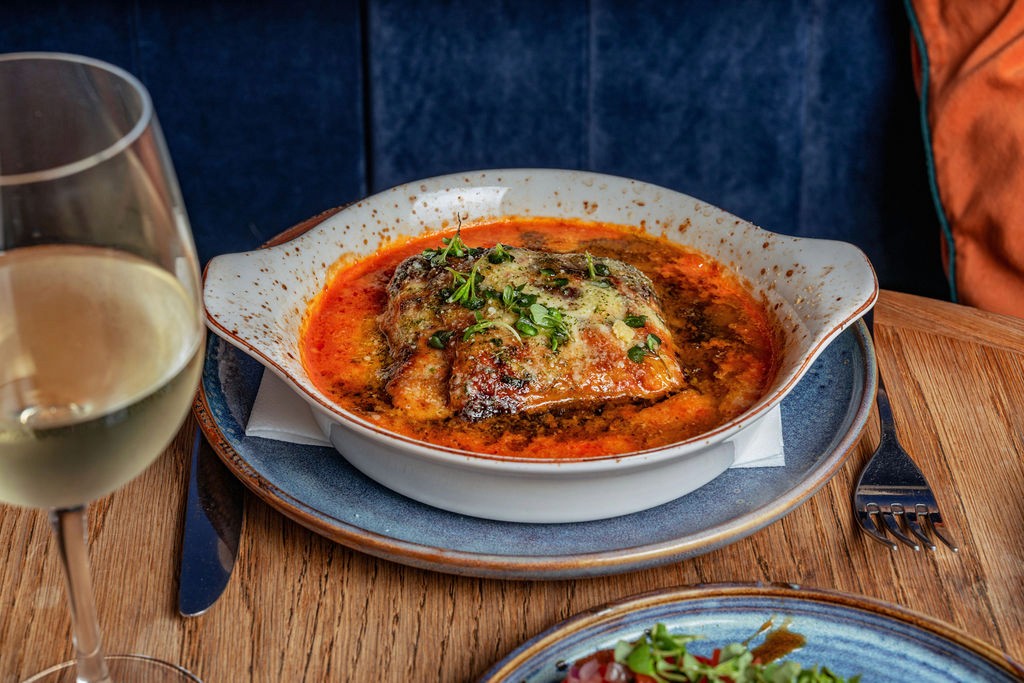
Lasagna has become one of the most loved Italian dishes in the world, and it's easy to understand why. Layers of pasta, rich meat ragú, creamy béchamel, melted cheese. This is the dish that Italian grandmothers spend all Sunday morning preparing, the one that brings everyone to the table, and the one that tastes even better the next day. But lasagna didn't start out as the layered masterpiece we know today. Its history stretches back thousands of years, and the way it's made varies across Italy depending on where you are and who's cooking it.
The History of Lasagna
Lasagna is one of the oldest pasta dishes in existence. The name comes from the Greek word "laganon," which described flat sheets of dough cut into strips. The Romans adapted it, and by the Middle Ages, layered pasta dishes were appearing in Italian cookbooks. The first recorded recipe for something close to modern lasagna dates back to the 14th century in Naples, though it looked quite different from what we eat today. Early versions didn't include tomatoes, as they hadn't yet arrived in Europe from the Americas, and the layers were often filled with cheese, spices, and sometimes sugar.
The version we know now, with its ragú, béchamel, and Parmigiano, was perfected in Emilia-Romagna, particularly in Bologna. It became a dish reserved for Sundays and special occasions, something that required a full morning in the kitchen and rewarded everyone who waited. Italian nonnas have been perfecting their own versions for centuries, and if you ask ten of them for the recipe, you'll get ten different answers.
Regional Variations
In Bologna, the ragú is slow-cooked for hours with beef, a soffritto of onion, celery, and carrot, tomatoes, and a splash of red wine. The meat is browned slowly to build depth of flavour, and the sauce simmers until everything comes together. The béchamel is made with butter, flour, and milk, seasoned with a little nutmeg. The pasta is fresh, often made with egg for that silky texture, and rolled thin enough to cook through in the oven without becoming heavy.
In Naples, lasagna takes a different form altogether. Lasagna Napoletana is traditionally served at Carnevale and includes ricotta, meatballs, sausage, and hard-boiled eggs layered between the pasta sheets. It's richer and more elaborate, a celebration dish rather than an everyday meal. In other parts of Southern Italy, you'll find versions with aubergine or courgette, while in Liguria, lasagna is sometimes made with pesto instead of ragú.
Every family has their own recipe, passed down through generations. The debates about whose version is the right one can get heated, but the common thread is that everyone agrees lasagna can't be rushed.
What Makes Great Lasagna
Great lasagna comes down to time. The ragú needs to cook low and slow until the meat is tender and the flavours have developed. The béchamel needs to be smooth and properly seasoned. The pasta needs to be thin enough that it doesn't dominate the dish but sturdy enough to hold everything together. When it comes out of the oven, the top should be golden and slightly crisp, with the edges bubbling where the sauce has caught the heat.
Letting it rest for ten or fifteen minutes before serving allows the layers to set, making it easier to slice and giving the flavours time to settle. It's tempting to dig in straight away, but patience pays off.
Lasagna at 64 Old Compton Street
At 64 Old Compton Street, our chefs take the same approach. The beef ragu is slow-cooked until it falls apart, the layers are built by hand, and the whole thing is baked until the top turns golden and the edges crisp up. It's the kind of lasagna that reminds you why this dish will always be a classic.
We're a family-run Italian restaurant in the heart of Soho, and our menu is built around dishes that Italians have been cooking for generations. The pasta is made fresh every day, the pizzas are topped with buffalo mozzarella, and the wine list is full of Italian and French bottles to match.
The dining room sits right on Old Compton Street, one of Soho's most famous roads. The lighting is soft, the atmosphere is warm, and if you grab a window seat you can watch the street go by while you eat. If you're heading to the theatre, we're perfectly placed for a meal before or after the show.
Book a Table
If you're craving proper lasagna in London, come and try ours. Walk-ins are always welcome, but if you're coming on a Friday or Saturday evening, booking ahead is a good idea.
64 Old Compton Street, London W1D 4UQ