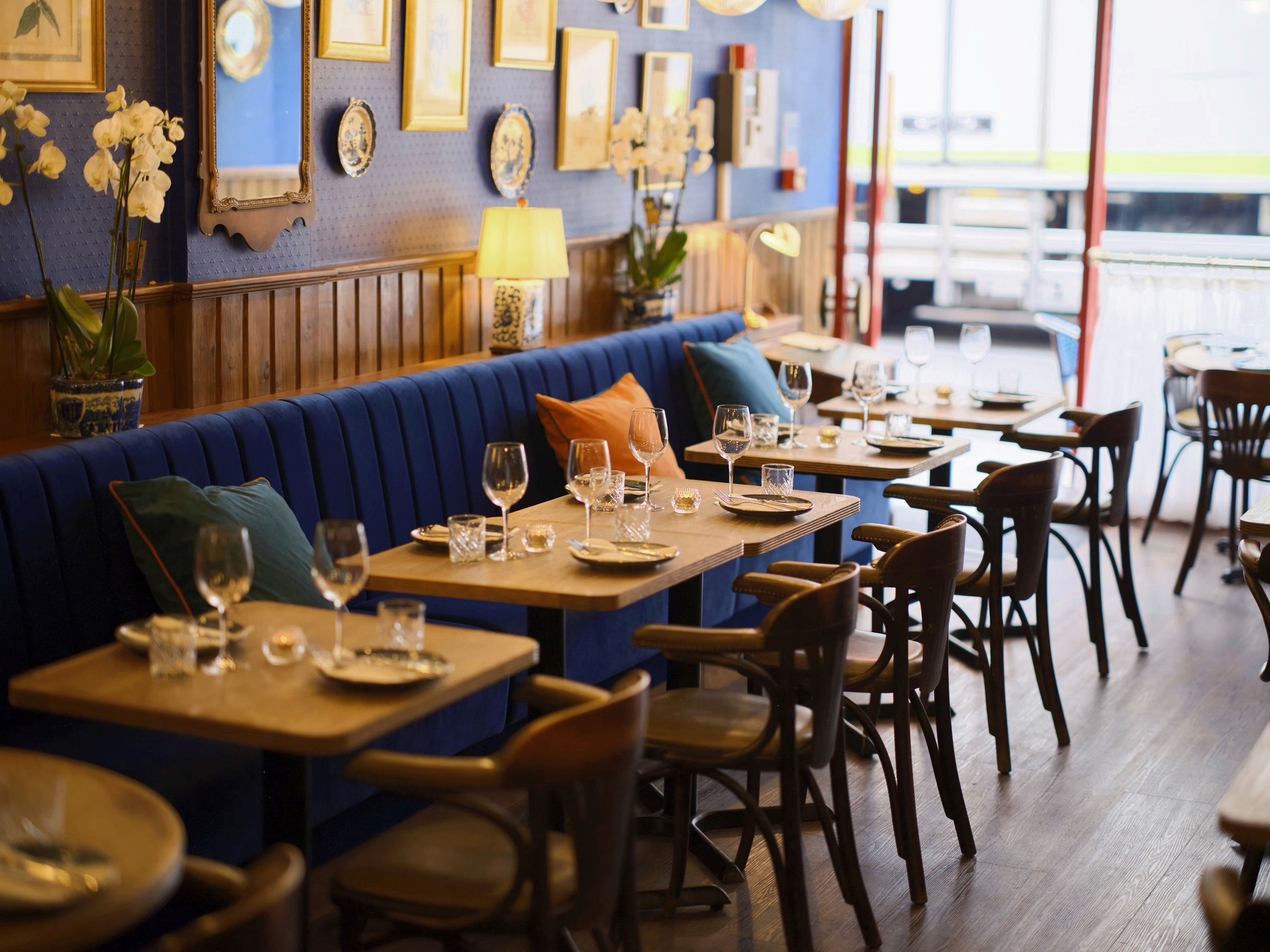
With over 2,000 Italian restaurants in London, how do you find the real thing? Look for tradition, care, and those little details that make you feel like you're in Italy.
Listen for the Clues
Walk into an authentic Italian restaurant and you'll notice it straight away. The aroma of fresh basil, garlic sautéing in olive oil, or bread baking tells you something's different. You might glimpse fresh pasta hanging to dry or pizza dough resting under cloth. The music plays softly in the background - maybe some classic Italian songs.
The biggest clue? Look who's eating there. If you spot Italian families on Sunday afternoons or Italian businesspeople having meetings over espresso, you've struck gold. Italians don't mess about with bad Italian food.
How Italy's History Shapes Restaurant Menus Today
That's why Italian food remains so popular - each region offers completely different specialities. From creamy Northern risottos to Southern seafood pasta, the variety is endless. A good Italian restaurant might feature dishes from several regions, showcasing the diversity that makes Italian cuisine beloved worldwide.
This shows they understand Italian food. When a menu lists specific ingredients like guanciale rather than bacon in carbonara, or specifies buffalo mozzarella instead of regular mozzarella, they're demonstrating respect for traditional recipes. These ingredient details reveal whether a restaurant truly knows Italian cooking.
How Italians Eat
The Olive Oil Test for Italian Restaurants
In Italy, meals start simply. Good bread, good olive oil, maybe some balsamic vinegar. Butter is rare - Italians prefer to taste the quality of their olive oil. This small tradition reveals a lot about a restaurant's approach. Places that take pride in their olive oil selection and serve it the Italian way usually pay attention to other authentic details too.
What Regional Labels Mean on Italian Menus
Authentic Italian restaurants keep things regional. Sicilian olives come from Sicily, where the volcanic soil makes them taste different. When you see ingredients listed with their regions (like Nduja from Calabria or San Marzano tomatoes), the restaurant is showing respect for Italian food laws that protect traditional products.
The same goes for buffalo mozzarella. It comes from specific areas in Italy where water buffalo have been raised for centuries. Restaurants that specify these details care about authenticity.
The Handmade Pasta Standard
Fresh pasta made daily is the biggest sign you're somewhere special. Yes, it means they might run out of your favourite dish by 10pm. That's the point - they only make what they'll use fresh that day.
Most people don’t know that different pasta shapes exist for good reasons. Wide ribbons like pappardelle hold chunky sauces better. Delicate filled pastas need gentle treatment - butter and sage work perfectly. Heavy sauces would mask their flavour. Proper Italian chefs know these rules by heart.
Spotting Authentic from Imitation
How Italian Restaurants Serve Meatballs
Fun fact: Italians don't eat spaghetti with meatballs on top. In Italy, meatballs are their own dish, maybe served as a starter or a main course. Good restaurants might offer different options - showing they understand Italian traditions while giving customers what they want.
Traditional Italian Pizza Requirements
Pizza was born in Naples. The famous Margherita pizza was created in 1889 for Queen Margherita - red tomatoes, white mozzarella and green basil to match the Italian flag.
Traditional Italian pizzerias keep it simple. They'll mention when they use buffalo mozzarella (the expensive stuff). They'll do white pizzas that let ingredients like mushrooms and truffle oil shine. They won't pile on twenty toppings.
Family Ownership: A Major Green Flag
The background of a restaurant tells you everything. When an Italian restaurant is family-owned and operated, that's one of the strongest indicators of authenticity you'll find. Family-run establishments have personal stakes in maintaining quality and tradition - their name and reputation depend on every dish that leaves the kitchen.
These restaurants often display family photos on the walls, and you might see multiple generations working together. The recipes have usually been passed down through the family, unchanged for decades. They're not following trends or cutting corners to maximise profits - they're cooking the way their grandmothers taught them.
In Soho, this family approach extends to community partnerships. 64 Old Compton Street gets its bread from Camisa, which has been on Old Compton Street since 1929. Their coffee comes from Algerian Coffee Stores, around since 1887. These aren't only suppliers - they're part of Soho's Italian story, often run by families who've known each other for generations.
Building Community
The best Italian restaurants remember their regulars. They know you like extra Parmesan. They ask about your kids. The same waiter has worked there for fifteen years. It feels like visiting family because, in many ways, you're entering their extended family circle.
What to Drink
Italians take their drinks seriously, though never in a stuffy way. Before dinner, maybe an Aperol Spritz to wake up your appetite. With dinner, regional Italian wines - they'll match the food's region when possible. After dinner, a shot of limoncello or grappa helps digestion (or so they say).
Coffee is crucial. Cappuccino is a morning drink in Italy - order one after dinner and you've outed yourself as a tourist. Espresso should come in a small, warm cup with a good crema on top.
Finding Your Italian Home
Finding an authentic Italian restaurant in London means finding places that understand Italian food - its culture, history and heart. Whether it's the pride in a waiter's voice when describing the specials or the way the chef checks every plate before it leaves the kitchen, authenticity shows itself in countless ways.
The best Italian restaurants make you forget you're in London. For an hour or two, you're transported to a trattoria in Rome or a family restaurant in Naples. That's the magic of truly authentic Italian dining.
Frequently Asked Questions
What's the difference between northern and southern Italian food?
Northern Italian cuisine uses more butter, cream and rice (think risottos from Milan), while southern Italian food relies on olive oil, tomatoes and dried pasta. Northern regions favour polenta and fresh egg pasta like tagliatelle. The south celebrates seafood, citrus and lighter dishes. An authentic restaurant will usually focus on one region rather than mixing dishes from all over Italy.
How can the wine list help identify an authentic Italian restaurant?
Look for a wine list that's mostly Italian and organised by region. Authentic restaurants showcase wines beyond the famous Chianti or Pinot Grigio - they'll have bottles from Piedmont, Sicily, Puglia and smaller regions. Staff should match wines to dishes by region (Tuscan wine with Tuscan food). If the list is mostly French or New World wines with token Italian options, that's a red flag.
Why don't authentic Italian restaurants serve certain popular dishes?
Many "Italian" dishes popular in the UK were created abroad or adapted heavily for local tastes. Authentic restaurants stick to genuine Italian recipes, though some might offer adapted versions clearly labelled to manage expectations.
Experience Authentic Italian Cuisine
Want to taste traditional Italian cooking? Book a table at 64 Old Compton Street. We're a family-run restaurant that's been part of Soho's Italian community for years. From fresh pasta made every morning to ingredients sourced from local Italian suppliers who've been here for generations, we're passionate about sharing proper Italian food.
Walk-ins always welcome - exactly like in Italy.
Come see why Italian locals and Soho regulars keep coming back.